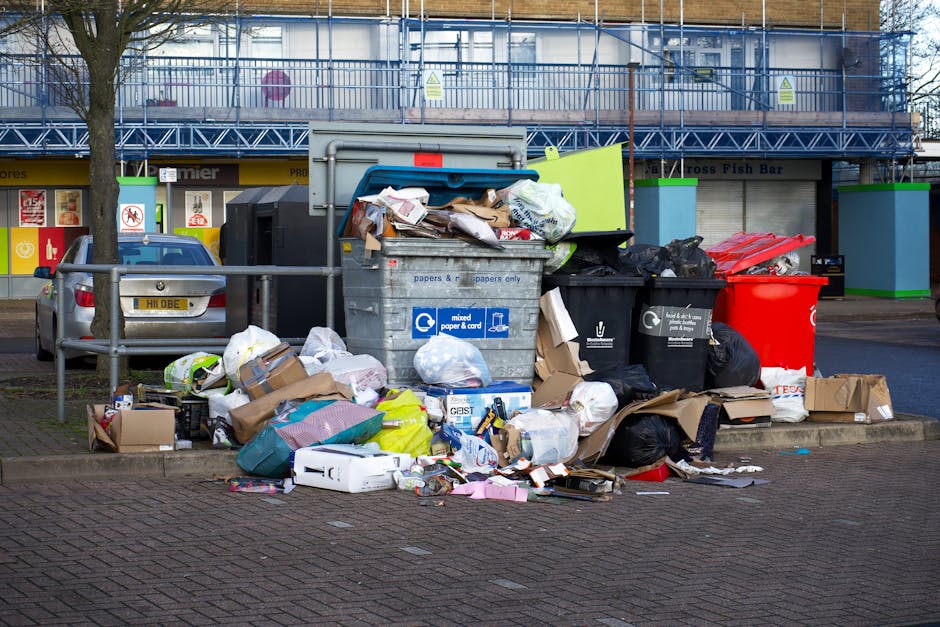
Cheap skip hire and rubbish collection Essex Road N5
If you are trying to clear a flat, tackle a renovation, or just get rid of a growing pile of waste without spending more than you need to, cheap skip hire and rubbish collection Essex Road N5 can be a very sensible starting point. The trick is not just finding the lowest headline price. It is choosing the right service for the amount of waste, the space you have, and how quickly you need it gone. In a busy North London setting like Essex Road, where access can be tight and parking can be awkward, that choice matters even more.
This guide breaks down how skip hire and rubbish collection work, what affects price, when each option makes sense, and how to avoid the usual headaches. It is written to help you make a calm, informed decision. No fluff. Just the practical stuff that saves time, money, and a few unnecessary phone calls.
Table of Contents
- Why cheap skip hire and rubbish collection Essex Road N5 matters
- How cheap skip hire and rubbish collection Essex Road N5 works
- Key benefits and practical advantages
- Who this is for and when it makes sense
- Step-by-step guidance
- Expert tips for better results
- Common mistakes to avoid
- Tools, resources and recommendations
- Law, compliance, standards and best practice
- Options, methods and comparison table
- Case study or real-world example
- Practical checklist
- Conclusion
- Frequently asked questions
Why Cheap skip hire and rubbish collection Essex Road N5 Matters
Waste builds up fast. One weekend of DIY can leave you with timber offcuts, plasterboard, broken tiles, packaging, and bagged rubbish. A house clearance can create even more awkward items: old furniture, textiles, mixed junk from cupboards, and the sort of odd bits that never seem to fit neatly into household bins. If you are working in Essex Road N5, the practical problem is not only disposal. It is access, timing, and keeping things tidy in a neighbourhood where streets are busy and space is precious.
Cheap skip hire and rubbish collection Essex Road N5 matters because a poor choice quickly becomes expensive. Too small a skip and you need a second one. Too large and you pay for capacity you never use. Rubbish collection sounds convenient, but if you have a serious volume of waste, it can become less economical than a skip. The best option is the one that matches the job, not the one that simply sounds cheapest for five minutes.
There is also the trust factor. Waste should be handled properly, sorted sensibly, and taken away by a provider that understands what can and cannot be collected together. That is especially true if you are clearing builder's waste, garden waste, electricals, or mixed domestic rubbish. For many people, the real value lies in not having to think about it twice.
Expert summary: the cheapest service is not always the best value. In most cases, the smartest approach is to match waste type, volume, access, and speed to the right disposal method, then choose a provider with clear pricing and practical local knowledge.
How Cheap skip hire and rubbish collection Essex Road N5 Works
At a basic level, skip hire and rubbish collection do the same job: they remove waste. The difference is in how the waste is loaded, how long it stays with you, and how much control you want over the process.
Skip hire
With a skip, the container is delivered to your property or a nearby suitable spot. You fill it at your own pace, within the agreed hire period. This works well if you are doing a project over a few days or if waste will appear in stages. You do the loading yourself, which can be ideal when a job is spread out and the rubbish is not all ready at once.
Rubbish collection
Rubbish collection is more like a one-off removal service. Waste is taken away by a team, often on a set visit or same-day basis. This can be especially useful if you do not have room for a skip, if the waste is already bagged and ready, or if you want to avoid lifting heavier items into a container. If you have ever tried carrying a battered wardrobe down a narrow staircase on a rainy afternoon, you will know why this option appeals.
Wait-and-load and grab-style removals
There are also hybrid approaches. Wait-and-load is useful when a skip cannot stay on the road or outside your property for long. The vehicle arrives, you load waste quickly, and it leaves. Grab-style services are typically better for larger, bulkier, or loose loads where mechanical loading saves time. These methods can be a better fit than a traditional skip if access is tricky or if parking restrictions make leaving a container impractical.
In practice, the process usually follows a simple path:
- You describe the waste type and approximate amount.
- The provider recommends a skip size or removal method.
- You receive a price and check any permit or access needs.
- The waste is collected or the skip is delivered.
- The waste is taken away for sorting and recycling where possible.
If you want to understand what should and should not go into a container, it is worth reviewing what can go in a skip before you book. That one step alone can prevent awkward surprises later.
Key Benefits and Practical Advantages
People usually search for cheap skip hire and rubbish collection Essex Road N5 because they want a straightforward result. Fair enough. Nobody wants a complicated waste problem hanging around for weeks. The main advantages are practical rather than glamorous, but that is exactly why they matter.
- Lower overall hassle: one arrangement deals with a large volume of waste instead of multiple small trips.
- Better time control: a skip lets you work at your own pace, while rubbish collection suits quick clear-outs.
- Cleaner space: getting waste out of the way makes rooms, gardens, driveways, and work areas safer and easier to use.
- More suitable for mixed waste: many domestic and builder's jobs create a blend of materials that are awkward to move in a car.
- Potentially better value: if you compare the whole job, not just the sticker price, the right option often works out cheaper.
There is also a subtle but important benefit: better momentum. Clearing waste makes a project feel moveable again. A kitchen refit starts to look manageable once the old units are gone. A loft feels much less daunting once the junk is not staring back at you every time you open the hatch. Small thing, maybe. But it changes the mood of a job.
For businesses, the advantages are even more direct. Shops, offices, landlords, and contractors often need removal that is reliable, discreet, and scheduled around opening hours or site activity. In those cases, it may make sense to compare commercial skip hire with rubbish removal and choose based on access, timing, and the type of waste being produced.
Who This Is For and When It Makes Sense
This service is not just for builders. In Essex Road N5, the people who most often need it tend to fall into a few common groups.
Homeowners and renters
If you are clearing a flat, replacing furniture, emptying a shed, or sorting out years of accumulated clutter, rubbish collection can be the easiest route. A skip makes more sense if the work will take a few days, if you are doing DIY, or if the waste is too much for a single collection.
Builders and tradespeople
For small renovation jobs, builders skip hire is often the obvious option. For more active sites, you might need something more flexible, such as construction waste disposal or builders waste removal. A lot depends on whether the waste is piling up steadily or coming out in one big burst.
Landlords and letting agents
After tenant move-outs, end-of-tenancy clearances often create a mix of furniture, household rubbish, appliances, and bagged debris. In those cases, the choice often comes down to speed and access. If the property has limited frontage, a removal team can be easier than arranging a skip permit and finding room for it.
Offices and commercial premises
Businesses clearing storage rooms, filing areas, or old furniture can benefit from planned collections. Where confidentiality matters, it may be worth pairing waste removal with confidential shredding or using a more staged clearance approach. Simple enough in theory, though not always simple in the building on a Monday morning.
Garden and outdoor projects
If you have cut back hedges, replaced fencing, or dug over a plot, garden waste removal can be a neat fit. For bigger landscaping projects, a skip may offer better value, especially when soil, turf, roots, and green waste appear all at once.
Step-by-Step Guidance
If you want to avoid overpaying, start with a clear plan. You do not need a spreadsheet for everything, but you do need a rough idea of what is going out and how quickly it will happen.
- Sort the waste into rough groups. Separate general rubbish, heavy rubble, wood, green waste, appliances, and anything that may be hazardous. You do not have to make it perfect. Just sensible.
- Estimate the volume. Think in bags, furniture items, or room loads. If you are unsure, compare your waste against the guidance on skip sizes and prices.
- Check access. Measure gate widths, note steps, low walls, narrow passages, or tight corners. In Essex Road, access is often the thing that quietly decides the whole job.
- Decide between skip hire and collection. If you are loading gradually, a skip is useful. If the waste is ready now and space is limited, collection may be smarter.
- Ask about permits if needed. A skip on a public road may require a permit, whereas private land is usually simpler. If that applies, see skip hire permits or skip permits for the relevant service guidance.
- Confirm what is accepted. Do not assume everything can go together. Mixed loads need a little care, especially with electrical items or restricted materials.
- Book the most practical option. If speed is essential, consider same day skip hire or an equivalent rapid collection service where available.
One small but useful habit: take a couple of photos before booking. Not glamorous, I know. But a few clear pictures of the waste and access can save a lot of back-and-forth later.
Expert Tips for Better Results
The cheapest booking is not always the one with the lowest quote. Often, it is the one that avoids rework, delays, and extra fees. A few practical habits make a noticeable difference.
- Choose the right method for the access you have. If a skip would block the street or sit awkwardly in front of the property, a collection service or wait and load skip hire may be more efficient.
- Keep waste dry and sorted where possible. Wet plasterboard, soaked cardboard, and mixed loose debris can be harder to handle.
- Break bulky items down. Flat-pack furniture, dismantled shelving, and cut timber take up less room and usually help you get more value from the load.
- Do not mix prohibited items into general waste. If in doubt, ask before the booking is confirmed. That is always easier than resolving it later.
- Plan for recycling. A decent provider will sort waste with recycling and recovery in mind. You can read more about that approach on recycling and sustainability.
Here is the sort of thing that happens all the time: a customer thinks they have "just a bit of rubbish," then opens the garage and finds three broken chairs, two suitcases, a mattress, old tiles, and a garden bag full of mystery objects from 2019. It happens. More than people admit, to be fair.
My advice? Plan for slightly more waste than you first expect. That little bit of headroom can stop the whole job from stalling halfway through.
Common Mistakes to Avoid
Most waste clearance problems come from simple misjudgements rather than bad luck. The good news is that they are easy to avoid once you know what to look for.
- Booking by price alone. A bargain quote is useless if it does not fit the waste type or access conditions.
- Underestimating volume. Half-filled skips are frustrating, but an overstuffed one is worse.
- Ignoring permit needs. If a container will sit on the road, check the rules first. Don't leave it as a last-minute surprise.
- Mixing restricted waste with general rubbish. This can create safety issues and delay collection.
- Forgetting about heavy waste limits. Soil, rubble, and hardcore are much denser than household junk. A small skip can fill up fast.
- Leaving everything to the day of collection. If the team arrives and the waste is not ready, you can lose time and money.
Another common issue is picking the wrong service style. A skip may be perfect for a long DIY project but awkward for a top-floor flat with no roadside space. Equally, a one-off collection can be ideal for furniture but not so good for a week-long renovation. Ask the boring questions. They are the ones that save you.
Tools, Resources and Recommendations
You do not need specialist software to organise waste removal, but a few simple tools help a lot.
- Phone camera: take clear pictures of the waste, the access route, and the proposed skip location.
- Tape measure: useful for checking gates, driveways, and alleyways.
- Simple notes app: jot down the items you want removed, especially if the clearance is happening in stages.
- Room-by-room checklist: helpful for house clearances, lofts, garages, and office cupboards.
If you are comparing service types, a quick read through the following pages can help you narrow things down: domestic skip hire, garage and loft clearance, house clearance, and office clearance. Those pages are useful because the practical requirements differ more than people expect.
For larger or awkward loads, consider whether grab hire services or grab lorry hire would be more suitable than a static skip. And if the job is more about moving bulky items than bulk waste, man and van can sometimes be the cleaner fit.
Law, Compliance, Standards and Best Practice
Waste removal in the UK is not something to treat casually. You do not need to become a compliance expert, but you do need to know the basics.
First, waste should be carried and disposed of responsibly. If you are hiring a service, you want a provider that understands lawful disposal, sorting, and recycling expectations. Second, some items require special handling. That may include fridges, appliances, mattresses, sofas, or potentially hazardous materials. Third, access and placement matter. A skip that sits on public land may need permission, while placing it on private property may be simpler but still requires safe positioning.
Best practice usually means:
- separating hazardous waste from general waste,
- using the correct service for bulky items,
- checking permit needs before delivery,
- avoiding overfilling,
- and keeping walkways clear so the load can be handled safely.
If you are dealing with items that may be hard to place in a general container, review hazardous waste disposal and, for appliances, fridge and appliance removal. Furniture disposal can also be more straightforward when you use the right dedicated service, such as mattress and sofa disposal.
For peace of mind, it helps to choose a company that is transparent about how waste is handled, how payments are processed, and what terms apply. That transparency is not a bonus. It is part of the service. You should expect that.
Options, Methods and Comparison Table
If you are unsure which route to take, the comparison below gives a quick practical overview. It is not about which method is "best" in the abstract. It is about what suits your job.
| Option | Best for | Strengths | Possible drawbacks |
|---|---|---|---|
| Standard skip hire | DIY waste, mixed household rubbish, builder's waste | Flexible loading, good for staged projects, often strong value | Needs space, may need a permit, waste must be loaded by you |
| Rubbish collection | Quick clear-outs, bulky items, bagged waste | Fast, less lifting for the customer, ideal where space is tight | May cost more for large volumes, less ideal for slow projects |
| Wait-and-load | Road-restricted streets, urgent clearances, limited parking | No skip left behind, useful in busy locations | Requires you to load quickly, timing must be coordinated |
| Grab hire | Bulk waste, loose materials, larger clearances | Efficient for heavy or awkward loads, reduces manual handling | Needs good access for the lorry, not ideal for every property |
| Man and van | Small-to-medium removals, furniture, mixed items | Very flexible, often good for one-off household clearances | Less economical for large volumes of loose waste |
The table is only a starting point, of course. Real jobs are messier. A loft clearance may begin as a furniture job and end up involving half a dozen bin bags of mixed clutter. That is normal. The best service is the one that adapts without drama.
Case Study or Real-World Example
Here is a realistic example based on the kind of situation people often face around Essex Road N5.
A small flat is being cleared before redecoration. The job includes two old chest-of-drawers units, a broken desk, a mattress, several sacks of miscellaneous household clutter, and leftover packaging from a delivery spree that got a bit out of hand. The entrance is narrow, there is limited room to store waste indoors, and the street parking is already busy.
At first glance, a skip sounds convenient. But a roadside skip may need a permit and could be awkward in a busy stretch of road. A full rubbish collection, on the other hand, would solve the access problem quickly, but the waste is being sorted over two days and the client wants some flexibility. In that case, a wait-and-load style service or a timed collection can be the best compromise.
What made the difference was not the cheapest quote. It was the right fit. The waste was removed in one visit, the flat was ready for decorators by the next morning, and there was no need to rearrange the whole street to make the job happen. That sort of outcome is boring in the best way.
For a construction example, imagine a bathroom refit. Tiles, broken plasterboard, timber, and packaging build up over several days. Here, a builders skip hire arrangement or a more focused construction waste clearance plan may be better than repeated ad hoc collections. It is all about the rhythm of the work.
Practical Checklist
Before you book, run through this simple checklist. It takes a few minutes and can save a lot of trouble.
- Do I know roughly how much waste I have?
- Is the waste mainly household, builder's, garden, or mixed?
- Will I be loading it gradually or all at once?
- Is there enough space for a skip or collection vehicle?
- Could a permit be needed if the container sits on the road?
- Have I checked any restricted items?
- Have I compared the likely cost of skip hire with rubbish collection?
- Do I need fast turnaround or same-day help?
- Have I thought about heavy waste like rubble or soil?
- Is recycling and responsible disposal important for this job?
If you can answer those questions, you are already ahead of most people. Seriously. Half the stress disappears once the basics are clear.
Conclusion
Cheap skip hire and rubbish collection Essex Road N5 is really about finding the most practical, affordable way to clear waste without creating extra work for yourself. In a local area where parking, access, and timing can be awkward, the best decision is usually the one that respects those realities rather than fighting them.
Choose a skip if you need flexibility and expect waste to build up over time. Choose rubbish collection if speed, access, and simplicity matter more. Consider wait-and-load or grab hire when space is tight or the load is awkward. And always think beyond the headline price. The real saving is in getting the job done cleanly, safely, and without a second round of hassle.
If you are still weighing up the best route for your project, take a moment to review the service details and pricing information, then match the method to your waste rather than the other way around. That is usually where the smart savings are hiding.
Get a free quote today and see how much you can save.
And once the waste is gone, the space feels different straight away. Lighter. Calmer. A bit more yours again.
Frequently Asked Questions
What is the cheapest way to clear rubbish on Essex Road N5?
The cheapest option depends on volume and access. For smaller, ready-to-go loads, rubbish collection can be cost-effective. For larger or staged projects, skip hire may work out better overall.
Is a skip better than rubbish removal for a flat in Essex Road?
Not always. If you have limited outdoor space or difficult parking, rubbish removal or wait-and-load may be easier. If the waste will be produced over several days, a skip may be more practical.
Do I need a permit for skip hire?
If the skip is placed on a public road, a permit may be required. If it sits fully on private land, that is often simpler. Check the details before booking so there are no delays.
What can I put in a skip?
Many types of household, DIY, and builder's waste are accepted, but not everything. Restricted items usually need separate handling, so it is wise to check the allowed load before arranging collection.
Can I get same-day skip hire or rubbish collection?
Often, yes, depending on availability and access. Same-day options are useful when you need a quick clear-out or when a project has suddenly run over schedule.
Which is better for builder's waste: skip hire or rubbish collection?
For ongoing renovation or construction work, a skip is often the better fit. For a one-off small load or a tight access site, rubbish collection or grab hire can be more efficient.
How do I avoid overpaying for waste removal?
Be accurate about the amount and type of waste, check access carefully, and compare the full job rather than just the headline price. The wrong-sized service is where costs creep up.
Can I mix garden waste and household rubbish?
Sometimes mixed loads are accepted, but it depends on the provider and the material mix. It is usually better to separate waste where possible, especially if you want to keep disposal simple.
What if I only have a few bulky items?
If you are disposing of a mattress, sofa, appliance, or a handful of large items, a dedicated removal service may be more sensible than booking a full skip.
Is rubbish collection suitable for offices and shops?
Yes, especially for furniture, old equipment, packaging, or light commercial waste. For larger or recurring jobs, commercial skip hire or a scheduled clearance plan may be better.
How do I know which skip size I need?
Start with the type and volume of waste. If you are unsure, look at the guidance on skip sizes and prices, or ask for help based on a few photos and a rough list of items.
Why does recycling matter when booking waste removal?
Responsible sorting reduces unnecessary landfill and supports better waste handling overall. It is also a sign that the provider takes disposal seriously, not just collection.